
Breast Health
Verhoog HVT jou risiko vir borskanker?
Navorsing dui daarop dat aangesien die risiko van borskanker gekoppel is aan die tydsduur van die gebruik van HVT, dit raadsaam is om dit so ver moontlik teen die laagste dosis vir die korste tydperk te neem. Dit is belangrik om jou persoonlike risiko, HVT-dosering en beplande tydsduur van behandeling vooraf met jou dokter te bespreek.

Lifestyle changes that can decrease your risk of breast cancer
A recent review confirmed that lifestyle choices that have been earmarked since 2016 as being of benefit to reducing breast cancer risk, are still valid. These include minimizing your alcohol intake, not smoking, maintaining a healthy weight, and ascertaining risk when taking hormone therapy.
AI-assisted mammography
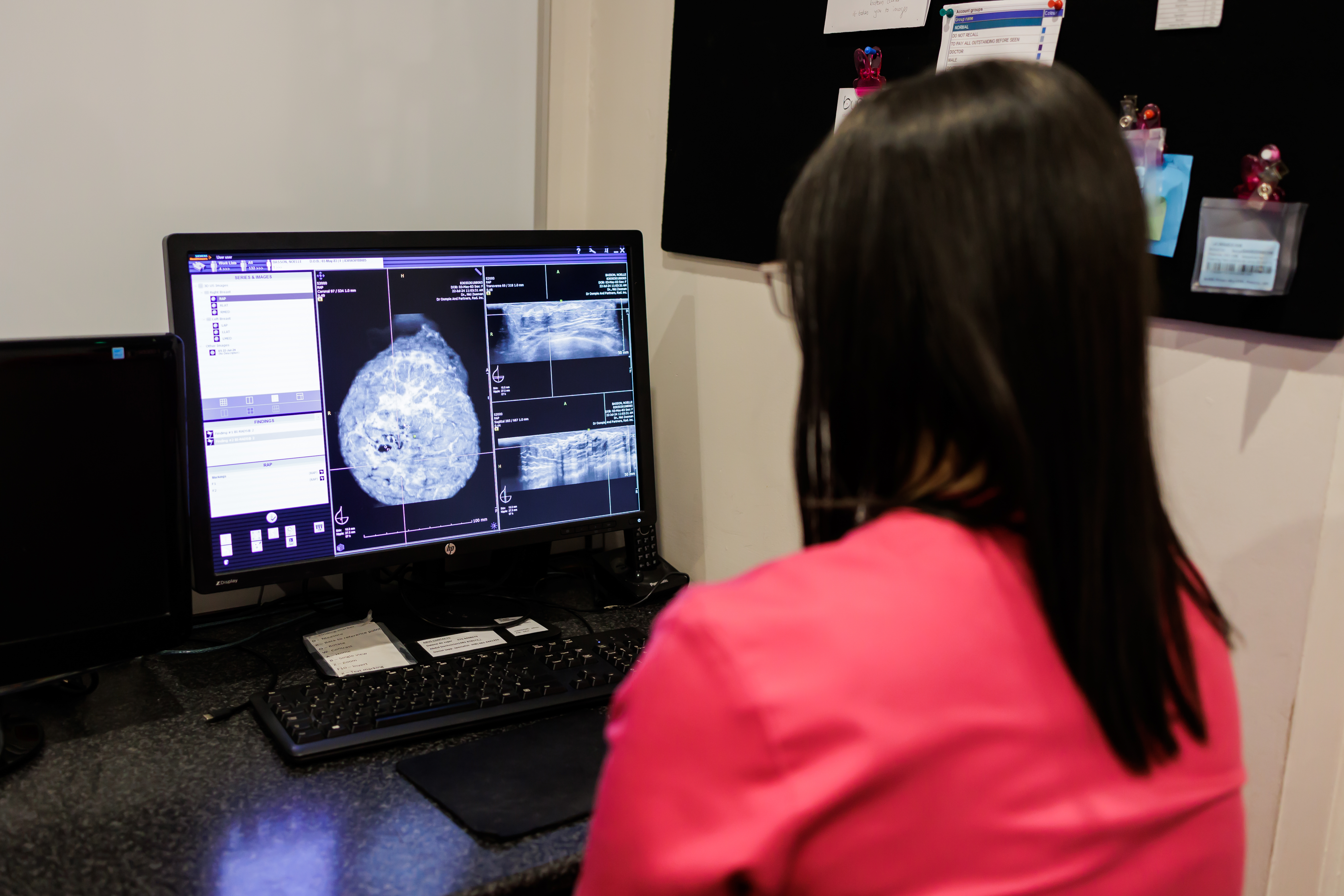
As one of the most diagnosed cancers in the world, there is a global focus on continuing research to find treatments that allow those diagnosed with breast cancer to lead a normal life. If found early, breast cancer has become a curable disease and AI-assisted mammography is great progress towards even further refining screening.

Early-onset cancer diagnoses are a cause for concern
Does it seem that younger people are being diagnosed with cancer more frequently? Global research is indicating that there has indeed been a surge in early-onset colon and breast cancers over the last three decades.

Breast Cancer and the older woman: is radiation necessary?
Treatments such as chemotherapy and radiation with their plentiful significant side-effects should be administered only after careful deliberation of the potential benefit they can have for the patient. Selection criteria for radiotherapy after surgery in the elderly have been refined and subgroups identified, in whom radiotherapy may safely be avoided. This article provides an insight into treatment considerations for older patients.

Breast Cancer and hormonal contraceptive use
An estimated 64% of sexually active women in their reproductive years (between the ages of 15 and 49) make use of contraception worldwide. Hormonal contraceptives have well-known side effects such as venous thrombo-embolism, migraines, dizziness and fatigue. A study performed in Denmark and published in the NEJM(New England Journal of Medicine) in 2017 found its way into media and seemed to also draw a correlation between increased breast cancer risk and the use of hormonal contraceptives. This article unpacks those findings.