

Because your body deserves the same attention you give everyone else.
It is an unfortunate truth that younger people are being diagnosed with cancer more frequently. Global research is indicating that breast cancer remains the most frequently diagnosed early-onset cancer globally, followed by gastrointestinal cancers and colorectal cancer (CRC).
CRC is now the leading cause of cancer death for men under 50 and the second leading cause for women under 50.


Cancer is not only a medical condition. It affects physical, mental, social, and economic well-being, and younger patients (<50) face unique challenges when diagnosed with cancers.

These include:
Delayed diagnosis due to low suspicion.
Genetic predisposition.
Fertility considerations (breast, thyroid).
Work and financial pressures.
Parenting responsibilities.
Mental health strain.
Body image and identity.
Long-term survivorship needs.
Lack of awareness of thyroid and parathyroid symptoms.
Misinterpreting soft tissue tumours as benign.
Low colon cancer screening uptake among younger adults.
These include:
Delayed diagnosis due to low suspicion.
Genetic predisposition.
Fertility considerations (breast, thyroid).
Work and financial pressures.
Parenting responsibilities.
Mental health strain.
Body image and identity.
Long-term survivorship needs.
Lack of awareness of thyroid and parathyroid symptoms.
Misinterpreting soft tissue tumours as benign.
Low colon cancer screening uptake among younger adults.
We provide patient-centred treatment plans, and if you would like to read some of the articles that we have written about breast, thyroid and cervical health (and cancers), please go to:
BREAST
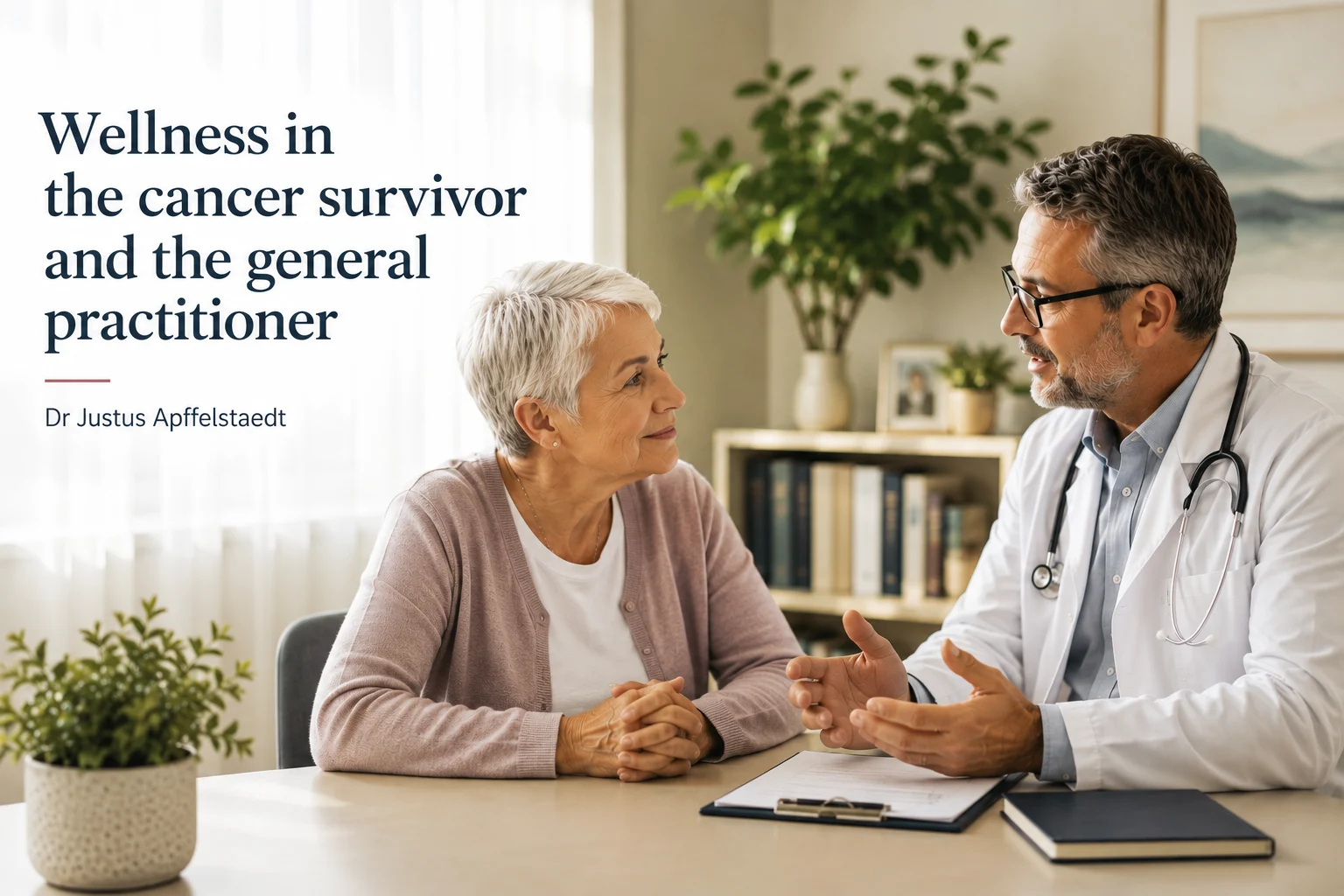
As more people live longer after cancer treatment, survivorship care has become an increasingly important part of general practice. Dr Justus Apffelstaedt explores the long-term health challenges cancer survivors may face and highlights the essential role of GPs in protecting quality of life through ongoing preventive care and holistic management.

Surviving breast cancer is no longer the end of the story. With improved treatment outcomes helping more women live long and healthy lives, the focus is increasingly shifting to life after treatment – including emotional wellbeing, fertility, bone health and overall quality of life.

Breast changes are common and, in most cases, benign. However, it is not possible to distinguish between a harmless condition and something more serious without appropriate clinical assessment. Understanding what constitutes a benign breast condition and what screening is designed to detect can help patients approach breast health with greater clarity and less unnecessary concern.
Is dit werklik seer om ’n mammogram te kry en het drinkers werklik ’n groter kans om borskanker te ontwikkel? Dit is dikwels moeilik om tussen feite en fiksie te onderskei, met soveel mites en vooropgestelde idees op die internet. Bors-, skildklier- en paratiroïedspesialiste, dr. Justus Apffelstaedt en dr. Fatima Hoosain, help om ’n paar wanopvattings oor borsgesondheid te ontmasker.

Behandeling-geïnduseerde beenverlies is een van die newe-effekte van algemene borskankerbehandelings wat die beste nagevors is. Alle vroue en mans ervaar na die ouderdom van 30 ’n mate van beenverlies – ’n natuurlike gevolg van veroudering. Die estrogeenontneming van menopouse by vroue is egter ’n bydraende faktor. Tog is dit slegs sommige vroue wat genoeg been sal verloor om behandelings teen beenverlies te regverdig.

Die fasebepaling van borskanker is ’n integrale deel ten opsigte van insig omtrent die siekte. Dit stel die pasiënt en hul mediese span in staat om die vordering van die siekte in meer diepte te bestudeer en word deur verskeie faktore beïnvloed, soos: hoe groot die gewas is, en of die kanker lokaal in die bors versprei het óf na ander organe of weefsels in die pasiënt se liggaam metastaseer (uitgesaai) het. Dit dra by tot die bepaling van behandelingsprotokolle en beïnvloed chirurgiese opsies. Dit dra ook by om verwagtings rakende die risiko van terugkering en lewensverwagting te bestuur.
THYROID

Thyroid cancer treatment is becoming increasingly individualised. Advances in risk assessment, molecular testing and active surveillance mean that two people with the same diagnosis may follow very different treatment paths. Dr Fatima Hoosain explains what has changed and why understanding your individual cancer is so important when deciding what happens next.

Feeling exhausted has become incredibly common. Between work pressure, family responsibilities, stress, poor sleep, and the demands of modern life, many people assume that constant tiredness is simply something they need to “push through”. But ongoing fatigue is not always caused by stress alone. It is important to understand how thyroid conditions can affect energy levels, mood, concentration, sleep, and overall wellbeing, often in ways that are easily mistaken for burnout or emotional exhaustion.
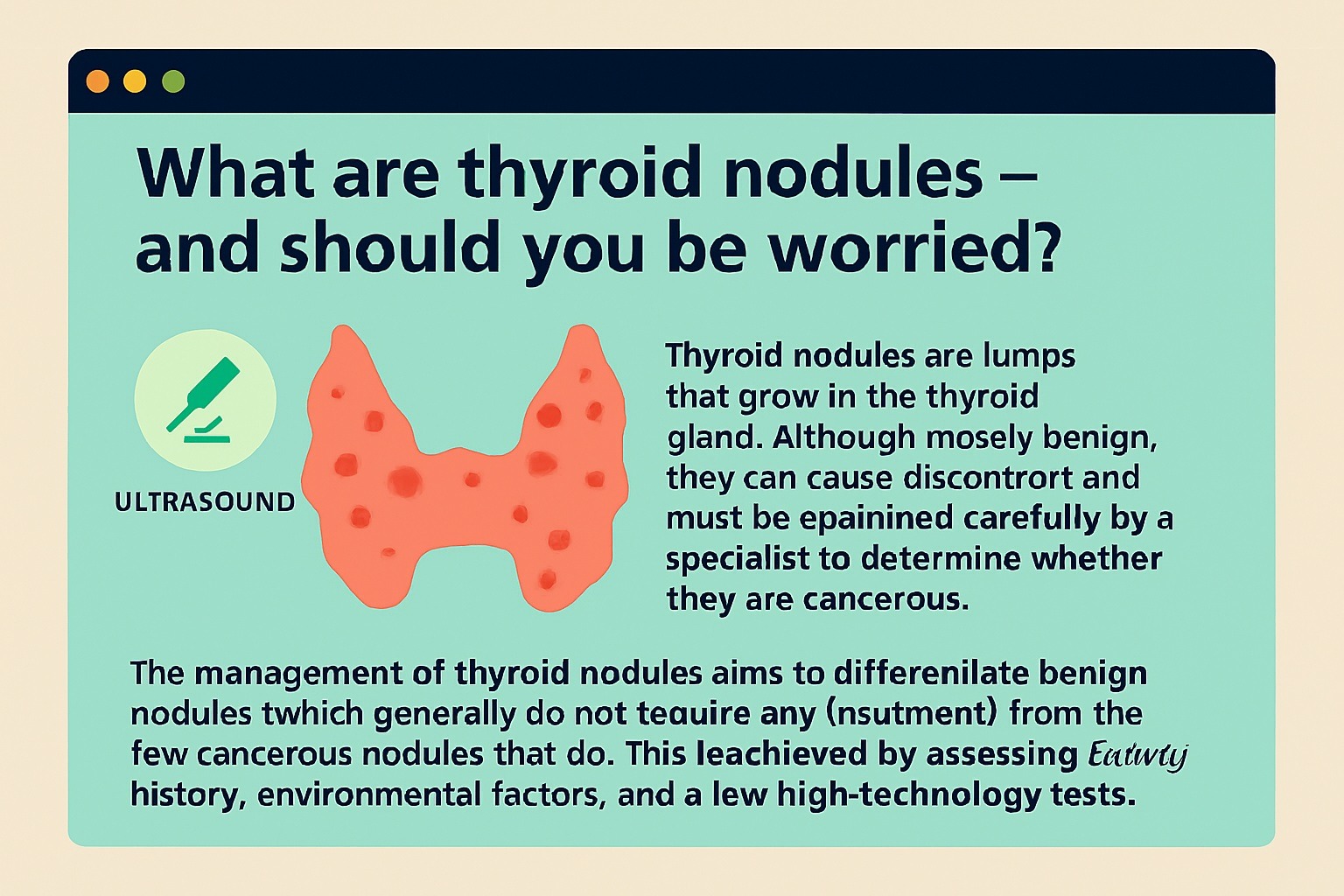
Thyroid nodules are lumps that develop in the thyroid gland and can cause swelling and discomfort. Although fairly common and rarely cancerous, they must be managed carefully by specialists. Here’s what you need to know. Thyroid cancer is being diagnosed [...]
CERVICAL

Few areas of women’s health attract as much misinformation as the HPV vaccine. Online claims include that it causes infertility, has seriously harmed teenagers, has been banned in other countries or carries warnings from regulators. Some are false. Others are [...]

Having breast cancer does not put you at a higher risk of getting cervical cancer, nor does having one cancer omit you from developing another unrelated cancer. For that reason, it is of utmost importance for anyone with a cervix [...]
For more info on what we can assist with, click on the relevant section below
- Mammography
- Ultrasound
- Clinical breast examination
- Risk-based screening
- Genetic risk assessment
- Diagnosis and surgical management
- Thyroid ultrasound
- Fine-needle aspiration
- Surgical management
- Long-term follow-up
- Diagnosis
- Surgical management
- Monitoring of calcium and bone health
- Screening colonoscopies (in a theatre setting)
- Referral pathways if required
If you are concerned and would like to make an appointment, please don’t hesitate to call us 021 930 2662 or email info@apffelstaedt-hoosain.com