
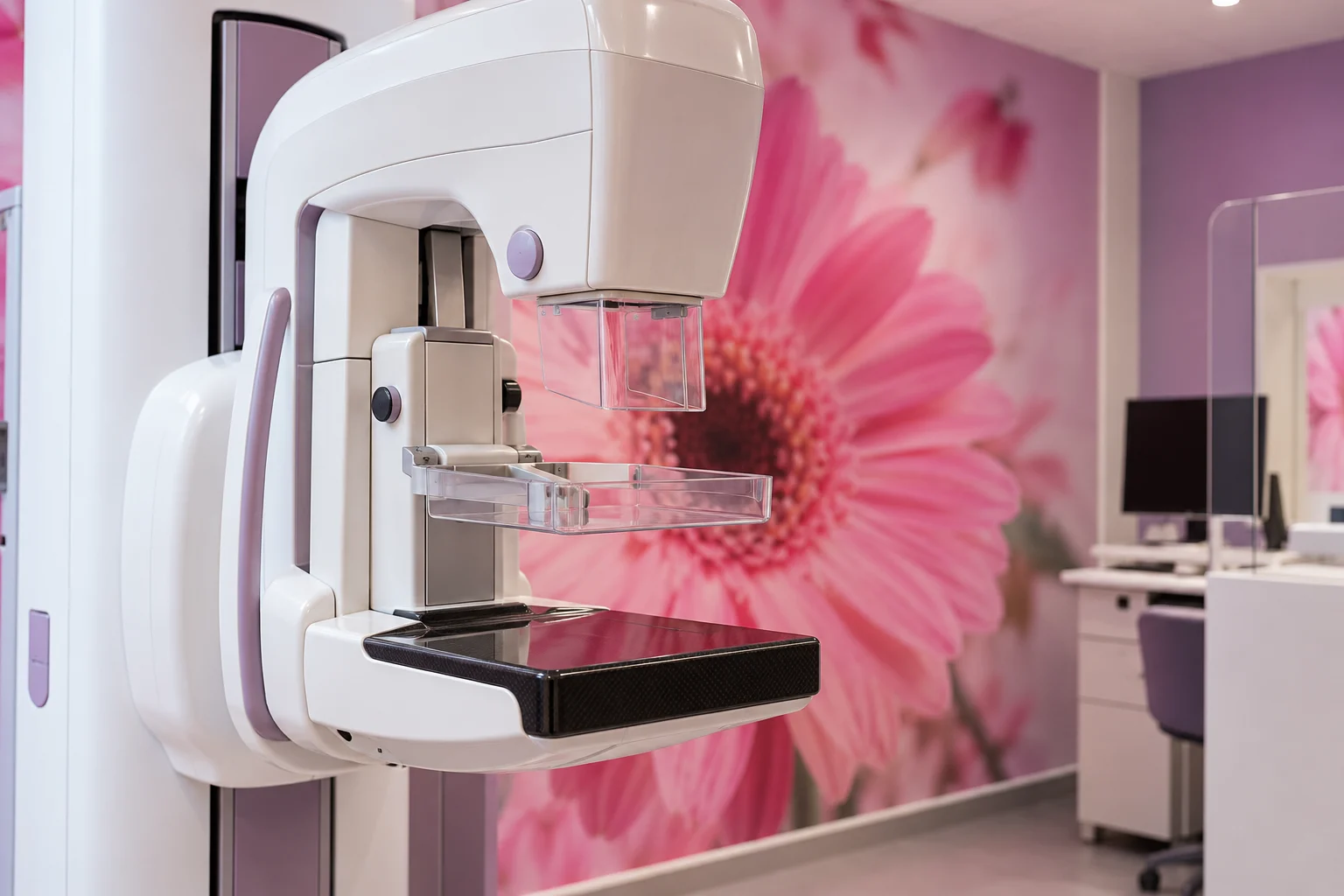
What happens after an abnormal mammogram?
Being asked to have more tests after a mammogram can be unsettling. An abnormal mammogram does not, on its own, mean that you have breast cancer. It means that a finding needs further investigation.
Why are further tests needed?
A lump or small calcium deposits on a mammogram may need a closer look before your doctor can explain what they mean. Further images may be enough to clarify the finding. If there is still concern, a biopsy allows tissue to be examined to determine whether the change is benign (non-cancerous) or cancerous.
How is an abnormal finding assessed?
At Apffelstaedt, Hoosain & Associates, every mammogram forms part of an assessment that includes a consultation, clinical breast examination and breast ultrasound. Your doctor considers these findings together with your medical history.
Depending on the findings, your doctor may recommend additional imaging to examine the area more closely.
Will you need a biopsy?
Not every abnormal mammogram requires a biopsy. If a finding is suspicious, your doctor may recommend taking a tissue sample to establish a diagnosis.
At Apffelstaedt, Hoosain & Associates, we perform core needle biopsies in our practice rooms under local anaesthetic. Ultrasound or mammographic guidance helps the doctor locate the area and take small samples for a pathologist to examine. In most cases, a surgical biopsy in hospital is unnecessary.
A biopsy helps determine whether a finding is benign or cancerous. The recommendation to have one does not mean that cancer has already been diagnosed.
Why might monitoring be recommended instead?
Some findings are considered probably benign. Your doctor may recommend repeat imaging, often at about six months, to check that the area remains stable. The timing will depend on the finding being monitored.
The follow-up checks for changes in the area being monitored, including those you may not be able to feel. Ask the practice when to return and what the appointment will involve. Any new breast change should be reported before that date.
What happens when the biopsy results arrive?
Your doctor will explain the pathology result and check that it accounts for what was seen on the images.
If the result is benign and consistent with the imaging, you may return to routine screening or follow a monitoring plan. Occasionally, another sample or surgical assessment is needed because the initial biopsy has not fully explained the finding.
If breast cancer is confirmed, your breast care team will discuss the diagnosis with you and explain the next steps in planning your treatment.
What should you ask before leaving?
Make sure you understand the findings and what happens next. Ask:
- What did the mammogram, ultrasound and clinical examination show?
- Will I need a follow-up appointment or repeat imaging?
- Who should I contact if I have further questions?
If you have had a biopsy, confirm when and how you will receive the results, and whom to contact if they have not arrived within the expected timeframe. Ask your doctor to explain any unfamiliar terms.