
What early detection saves
Early detection saves lives. It also protects everything that comes after.
Every life saved has a story.
A conversation that still happened. A dream that was still pursued. A family milestone that was still celebrated. A future that remained possible.

Nelia Annandale · the donated artwork
This Breast Cancer Awareness Month, Apffelstaedt, Hoosain & Associates invites you to explore the stories, experiences and opportunities that early detection helps protect.
Because when breast cancer is found early, the conversation becomes about far more than treatment. It becomes about the years that follow. The people you love. The work you still want to do. The experiences you have yet to enjoy. The life you still get to live.

What Early Detection Saves
Every person who hears the words, “You have breast cancer,” has a life that was already in motion.
A career they were building. Children or grandchildren they were watching grow up. Relationships that mattered. Plans that had already been made. Ordinary moments they expected would simply keep coming.
When breast cancer is detected early, treatment is not the only thing that changes. The opportunity to continue living that life changes too.
That is why this campaign is called What Early Detection Saves.
It is not only about the lives that are saved. It is about the futures, relationships, opportunities and everyday moments that early detection helps protect.
Research continues to show increasing cancer diagnoses among younger adults, challenging the misconception that breast cancer is only something to think about later in life. At the same time, advances in screening, diagnosis and treatment continue to improve outcomes, making early detection one of the most important ways to improve the opportunity for successful treatment.
This October, through art, personal reflection, survivor stories and expert insight, we invite you to look beyond a diagnosis and consider what early detection can make possible.
Breast Cancer Awareness Month · Dr Fatima Hoosain

Why this conversation matters
Breast cancer is often spoken about in terms of diagnosis, treatment and survival. Those conversations are important.
But behind every diagnosis is a person whose life did not begin with cancer and whose hopes for the future should not end there.
Early detection creates the opportunity for those futures to continue unfolding. That is the conversation this campaign wants to have.

Nelia Annandale · the Artist
Meet the Artist
Nelia Annandale
Artist. Entrepreneur. Mother. Grandmother. Cyclist. Traveller. And someone who believes that even life’s most difficult seasons have something to teach us.
For nearly thirty years, Nelia built Keedo into one of South Africa’s best-known children’s clothing brands, creating a business rooted in creativity, imagination and care. But long before she became an entrepreneur, and long before she became a full-time artist, creativity had always been part of who she was.
Today, painting is how she makes sense of the world.
Her contemporary abstract works explore the spaces where darkness and light meet, where loss gives way to renewal, and where fragility and strength can exist side by side. Inspired by nature, changing seasons and the landscapes of human experience, her work reflects a life lived with curiosity, gratitude and hope.
Although breast cancer became one chapter of her story, Nelia refuses to let it become the story that defines her.
She continues to paint, travel, cycle, spend time with her family and embrace the ordinary moments she no longer takes for granted.
A story of Early Detection
In November 2017, at the age of 58, Nelia was diagnosed with Stage 2 breast cancer in both breasts at Apffelstaedt, Hoosain & Associates.
The diagnosis came as a complete surprise.
She felt well. She had no obvious warning signs. The only changes she had noticed were subtle changes to her nipples, which she had assumed were part of menopause. A routine visit to her gynaecologist, followed by a breast scan that same day, changed everything.
Within days, imaging, biopsies and pathology confirmed breast cancer in both breasts. Just over two weeks later, she underwent a bilateral mastectomy.
Today, more than eight years later, Nelia is living in remission.
She is creating, travelling, cycling, spending time with her children and grandchildren, and building a new chapter of life as a full-time artist.
For her, early detection is not a campaign message.
It is the reason those years were possible.

“I regard timely detection and treatment as the reason I am alive today.”
Quick Links: Intro | About | Artist | Story | Permanent Artwork | Process | Collection | Testimonials | Resources | Behind the Scenes | More Resources

Reception · Apffelstaedt, Hoosain & Associates
The permanent artwork
Behind the reception desk at Apffelstaedt, Hoosain & Associates hangs a donated artwork by Nelia Annandale.
It is not simply a painting. It is an expression of gratitude for the years she has been given because her breast cancer was detected early, and a reminder of what that early diagnosis made possible.
Created especially for the practice, the artwork is Nelia’s reflection on life before, during and beyond a breast cancer diagnosis.
Rather than focusing on illness, the painting acknowledges the many emotions that people carry through the doors of a breast practice. There is uncertainty and vulnerability, but also tenderness, courage, relief and hope. Through layered colours and abstract figures, it creates space for every person to find something of their own story within it.
At the centre of the work is a handwritten message that speaks to the heart of both Nelia’s journey and this campaign:
“I live because of early detection.”
She hopes the artwork offers patients something more than a beautiful image. She hopes it becomes a quiet place where the eyes and the heart can rest while patients wait, a reminder that they are not alone, and that whatever they are feeling belongs in that moment.
Above all, she hopes it carries a message:
Life is worth protecting, noticing and living fully.
The Process


The Seasons Journey collection
Visitors to the practice are invited to explore Seasons Journey, a series of contemporary artworks that reflect the changing seasons of life.
The exhibition is designed to evolve over time. Individual artworks are available for purchase and, as each piece is sold, another of Nelia’s paintings will take its place, allowing the exhibition to continue evolving.
Rather than portraying breast cancer as a battle to be won or lost, Seasons Journey explores the experience through the changing seasons. Like nature itself, every season has its own challenges, beauty and purpose. Winter may feel quiet and uncertain, but it also carries the promise of spring. There are seasons of uncertainty and waiting, seasons of courage and support, and seasons of healing, gratitude and renewal. Each painting reflects a different season of the experience.


Winter
Diagnosis. Uncertainty. The loss of certainty, and the quiet stillness before the path ahead becomes clear.


Spring
The first signs of hope. The support of others. The beginning of healing and the belief that life can continue.


Summer
Strength, endurance and renewed vitality. The gradual return of energy, confidence and the joy of embracing life again.


Autumn
Reflection, gratitude and wisdom. Living beyond treatment while recognising that difficult experiences become part of our story without defining who we are.

Together, the collection reminds us that no season lasts forever. Winter gives way to spring, spring to summer, and summer to autumn. Every season has its place, and every season carries the promise of what comes next.
More than an exhibition, Seasons Journey is an invitation to pause, reflect and recognise what early detection can protect: the opportunity to experience many more seasons of life.
“Early detection made it possible for my cancer to be found before it had spread to my lymph nodes. It allowed me to receive treatment while the cancer was still highly treatable and gave me options that might not have been available had I waited longer. Most importantly, it gave me the opportunity to look forward to the future with hope.”
– Natasha Nuguris
“I am forever grateful that I felt that lump and trusted my instincts. My message to all women is: get to know your body, trust your instincts and go for your checks. Early detection does
save lives.”
– Nicole Mead
“Ek het gedink ek neem beheer oor my risiko en doen iets om myself en my gesin vir die toekoms te beskerm. Op 26 September 2025, tydens die operasie, het alles egter verander… Vandag besef ek hoe besonders “gewoon” eintlik is. En daarvoor… is ek dankbaar.”
– LIANA KRIGE
The reality of delay
Very few people ignore a change in their breast because they simply don’t pay attention……
More often, they hope it is nothing serious. Life gets busy. Family and work take priority. A change doesn’t seem significant enough to interrupt everything else, or it quietly becomes something to think about tomorrow instead of today.
Sometimes we convince ourselves there must be another explanation. Sometimes we tell ourselves we’re too young. Sometimes we decide to wait a little longer to see whether the change disappears on its own.
These responses are deeply human.
The important thing is recognising when it is time to stop waiting and seek advice. Most breast changes are not cancer, but they all deserve to be properly assessed. Early detection begins with paying attention to your body and acting when something doesn’t feel right.
Life happens

There is rarely a “good” time to notice a change in your breast.
Life is busy. Work deadlines, family responsibilities and the everyday demands of caring for others often leave very little space to focus on your own health. At the same time, it is completely natural to question whether a change is important enough to make an appointment. You may hope it will disappear, wonder whether you’re overreacting or decide to wait until life feels a little less hectic.
These responses are deeply human.
The important thing is not to let uncertainty or a busy schedule become the reason you never seek reassurance. Most breast changes are not cancer, but every new change deserves to be properly assessed.
Breast awareness doesn’t require hours of your time. It begins with understanding what is normal for your body, recognising when something has changed and giving yourself permission to make your health a priority.
AHA’s Check In Campaign is built around a simple but powerful idea: while we spend so much time checking in on the people we love, we should also remember to check in with ourselves. Sometimes, a conversation with a friend, partner, sister or daughter is all it takes to make that appointment you’ve been putting off.
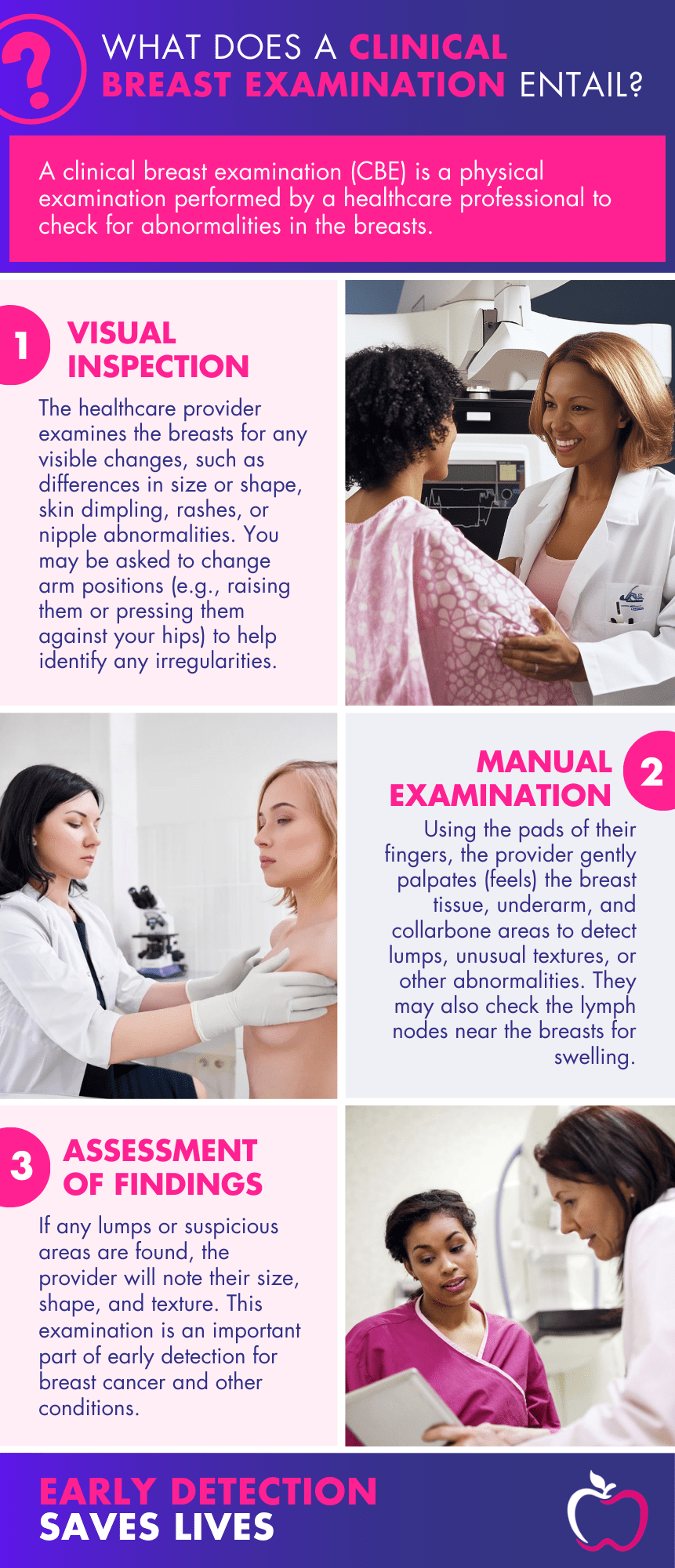
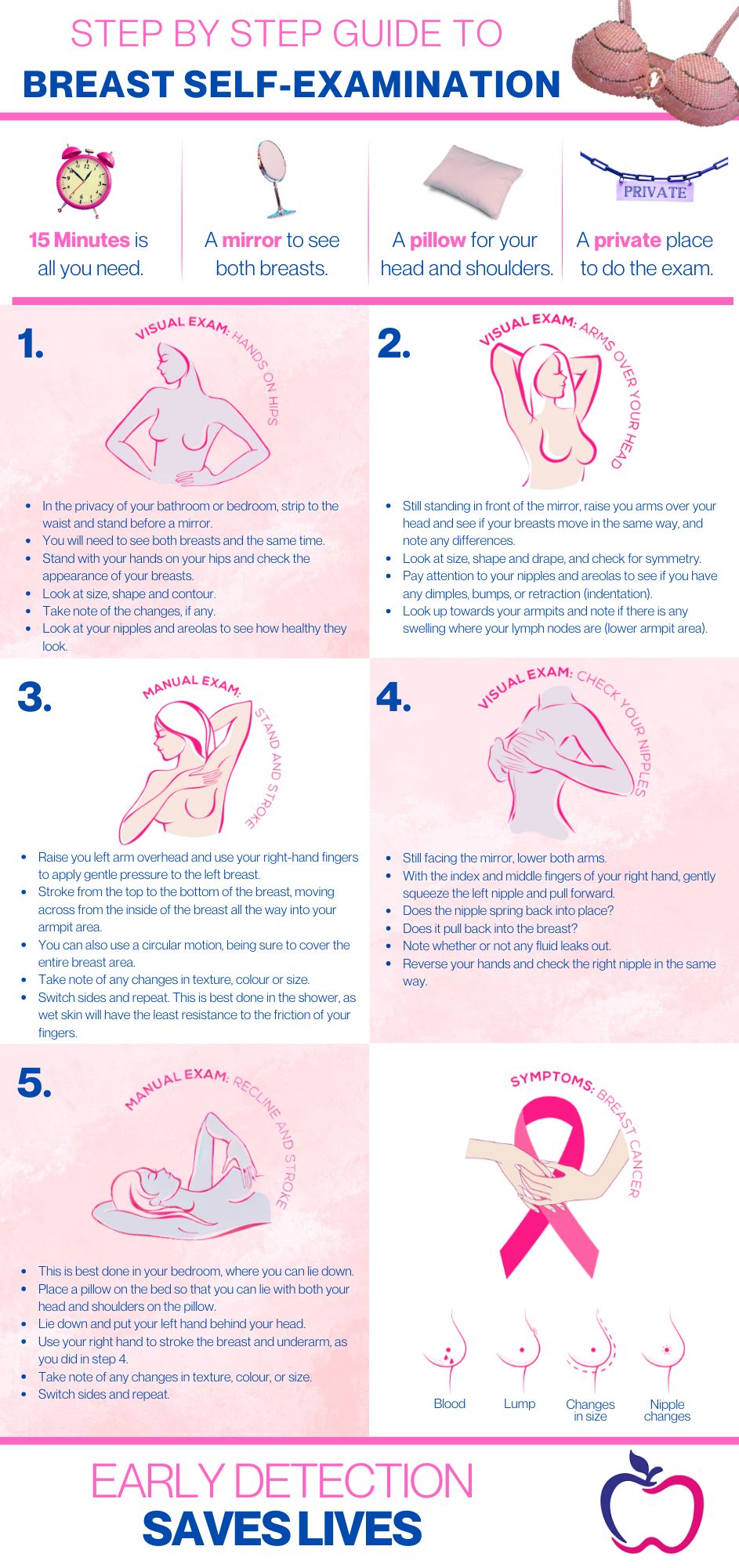
If you’re unsure where to begin, The Pap Test offers a practical introduction to breast awareness, while the self-breast examination guide demonstrates exactly how to examine your breasts and recognise changes that deserve attention.


It’s probably nothing
Not every breast change is dramatic.
Sometimes it is a small lump. Sometimes it is a subtle skin or nipple change. Sometimes your breast simply feels different from usual. Because these changes can seem minor, it is easy to convince yourself they are probably nothing serious or that they can wait.
The reassuring news is that many breast changes are not cancer. The important thing to remember is that the only way to know what a change means is to have it properly assessed.
Many of the women who have shared their stories describe exactly this experience. They noticed something small, trusted their instincts and sought advice. Acting early gave them more options and, in many cases, changed the course of their journey.
Linda’s story began with a conversation about breast self-examinations. That conversation prompted her to check her breasts for the first time, where she discovered a small lump that was later diagnosed as Stage 1 breast cancer.
If you’re unsure whether a change is worth investigating, don’t rely on guesswork. AHA’s Breast Health FAQs explain the symptoms that deserve medical attention, while the practice’s articles answer common questions about benign breast conditions and other breast health concerns. Reading the experiences of other women can also be reassuring, reminding us that paying attention to a change is never an overreaction. It is an investment in your future.
I’m too young
One of the most persistent misconceptions about breast cancer is that it only affects older women.
While age remains an important risk factor, younger women can and do develop breast cancer. Age should never become a reason to dismiss a breast change or delay seeking advice.
Merisca’s story is a powerful reminder that breast cancer does not always arrive when we expect it to. Her experience highlights why becoming familiar with your body and acting when something feels different matters at every stage of life.
AHA’s educational resources also explore the increasing number of younger women being diagnosed with breast cancer and explain why understanding your personal and family history is so important.

Merisca Hartzenberg
Behind-the-Scenes